
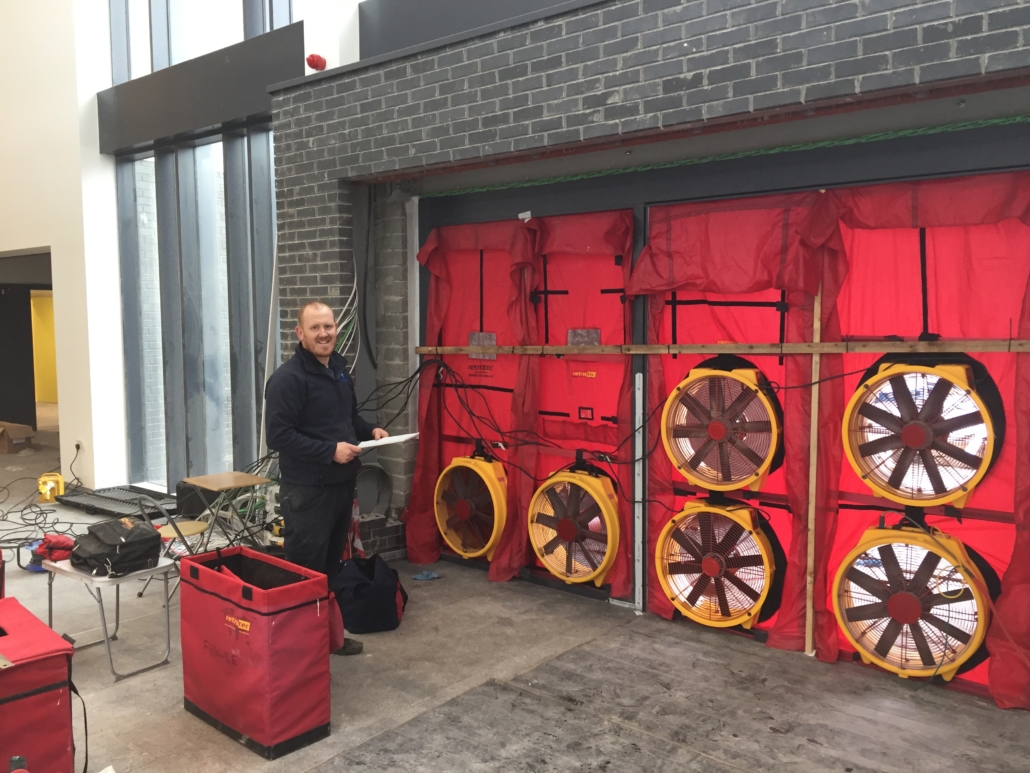
Studies have shown that up to 50% of heat loss in dwellings is due to air escaping and uninhibited ventilation. The climate in Ireland is not susceptible to extremes in low temperatures, however, we are open elements such as extremes in wind pressure. Sealing with low cost sealants can resolve some of the issues relating to air leakage, evaluating to 20% savings in the annual heating bill. Air Tightness Testing delivers a blower door testing service to both new and existing dwellings.

Air Tightness Testing

  • Under revised building regulations which came into force in January 2008, air tightness testing is mandatory for all dwellings
  • An air tightness test is used to govern the amount of air flow output through cracks in the structure of a dwelling
  • A high air flow output can result in the loss of heat in a building

What are the Benefits?

  • Helps developers and householders demonstrate compliance with the higher levels of energy conservation required under the Building Regulations 2011 Part L Technical Guidance Document
  • Entitles the air testing company to use its NSAI registration number in business transactions
  • Lists the company on the NSAI-maintained Directory of Registered Air Tightness Testers
  • Provides independent reassurance to customers of the reliability of the air testing company

What is a Blower Door Test?

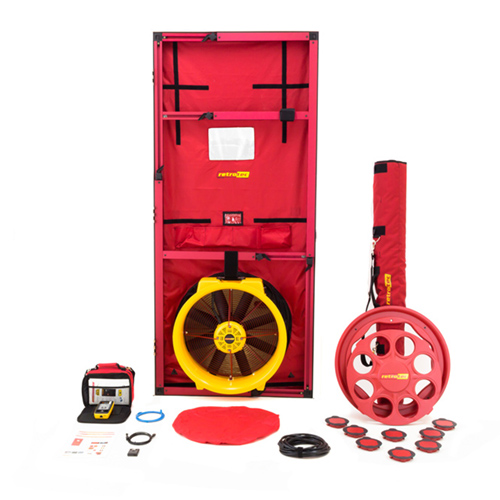
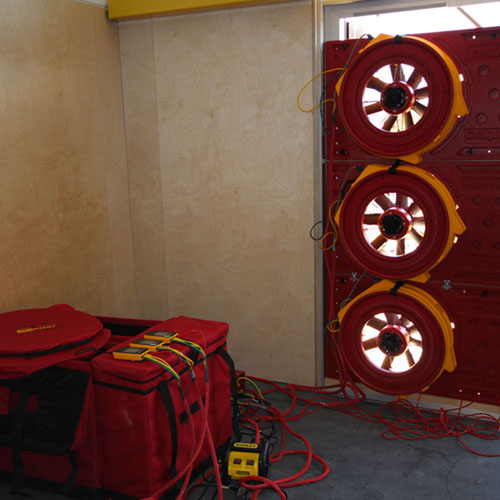
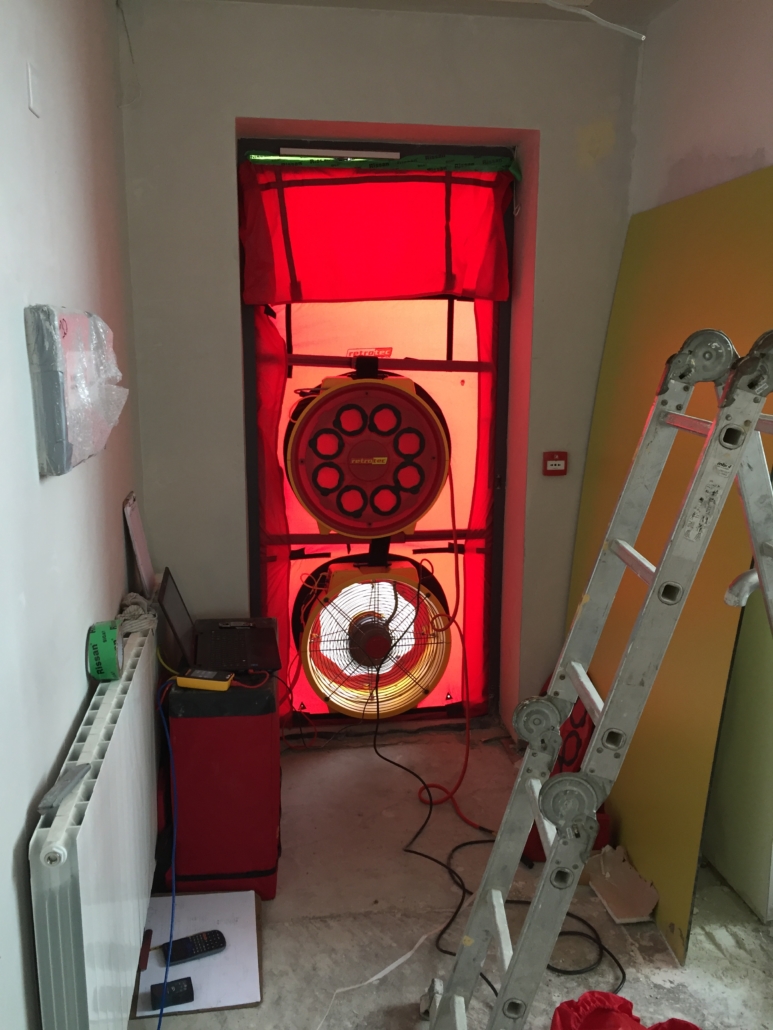
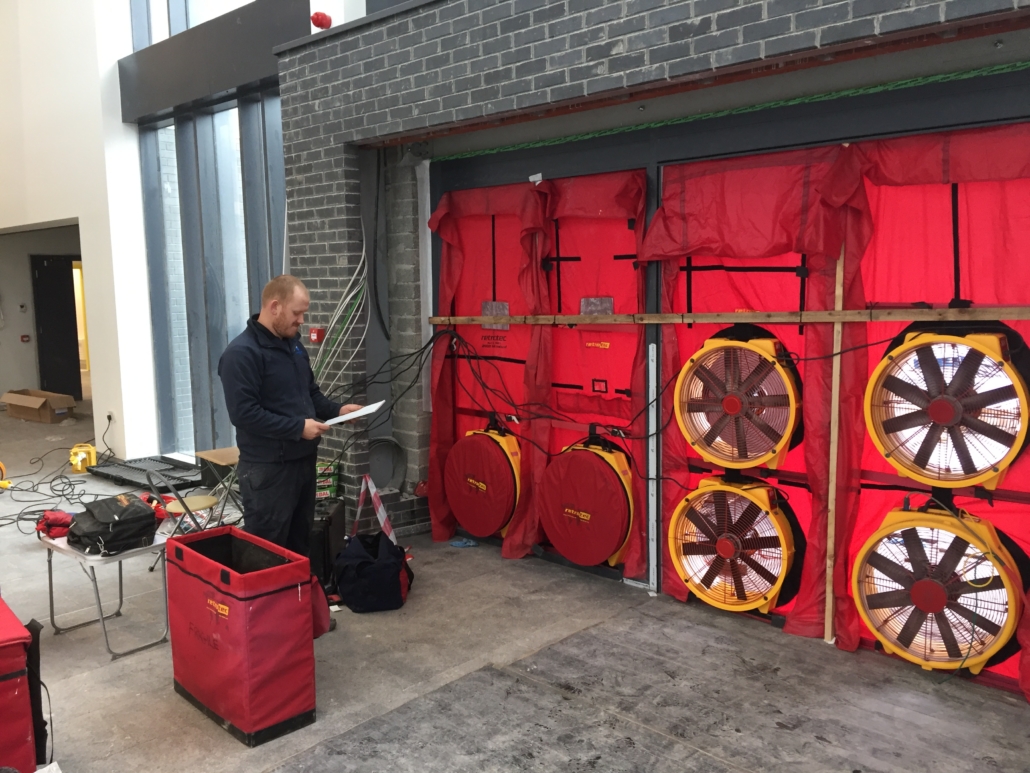
This is a common name used to describe the combination of testing equipment required when undertaking an air leakage test or air permeability test. Blower door testing, or air pressure testing, allows the accurate measurement of air movements through the fabric of your building and is typically used to pressure and depressurize the building so that the cracks & gaps can be found.

Why do I need a Blower Door test?

Since June 2008 an Air Pressure Test is a compulsory requirement for Building Energy Rating (BER) Assessments for new builds. An air tightness test is used to calculate an air permeability rating for the dwelling and this rating that must meet the latest Building Regulation standards.

Benefits of a Blower Door Test?

• The test identifies air leakage in both new and existing buildings, air leakage means heat loss.

• The report we provide highlights draughts in the dwelling, areas effected , attic trap door , window, doors, cooker hoods etc.

• Creates an environment where the benefits of the heating system are controlled properly

• In built up areas reduces noise levels in houses, by having the building airtight this eradicates the air paths through which the sound travels.

• Displays defects in window/door closers or hinges, the closing mechanism may need to be refitted to allow proper closure to avoid heat loss.

How long does it take?

Depending on the size and nature of the dwelling usually no more than 4/5 hours

What standard should my building achieve?

Part L of the Building Regulations in Ireland sets out the minimum level of airtightness in new Irish houses (7 m3/h,m2 when blower door tested at 50 Pa) and 10m3/h,m2 for commercial buildings. By good design, attention to detail and good levels of quality control on site these levels should be easily achieved.